


A capping machine is a crucial piece of equipment in the packaging industry, designed to securely seal containers with caps or lids. As a leading capping machine supplier, I am excited to share with you how these remarkable machines work. In this blog post, we will delve into the inner workings of capping machines, explore different types, and understand their significance in various industries.
The Basics of Capping Machines
At its core, a capping machine is responsible for placing and tightening caps onto containers. The process typically involves several key steps: cap feeding, cap placement, and cap tightening. Let's break down each step to understand how it contributes to the overall operation of the machine.
Cap Feeding
The first step in the capping process is cap feeding. Caps are usually stored in a hopper or a magazine, which is designed to hold a large quantity of caps. The hopper is equipped with a mechanism that ensures a continuous supply of caps to the capping station. Depending on the type of capping machine, caps can be fed individually or in groups.
One common method of cap feeding is the use of a vibratory bowl feeder. The vibratory bowl feeder uses vibrations to move the caps along a track towards the capping station. The track is designed to orient the caps in the correct position for placement onto the containers. Another method is the use of a linear feeder, which uses a conveyor belt to transport the caps to the capping station.
Cap Placement
Once the caps are fed to the capping station, the next step is cap placement. The capping machine uses a variety of mechanisms to pick up the caps from the feeder and place them onto the containers. One common method is the use of a pick-and-place system. The pick-and-place system uses a robotic arm or a pneumatic gripper to pick up the caps from the feeder and place them onto the containers.
Another method is the use of a capping head. The capping head is designed to hold the cap in place and lower it onto the container. The capping head can be adjusted to accommodate different cap sizes and shapes. Some capping machines also use a magnetic capping head, which uses a magnetic field to hold the cap in place during the capping process.
Cap Tightening
After the caps are placed onto the containers, the final step is cap tightening. The capping machine uses a variety of methods to tighten the caps onto the containers, ensuring a secure seal. One common method is the use of a torque control system. The torque control system measures the amount of torque applied to the cap during the tightening process and adjusts the tightening force accordingly.
Another method is the use of a pneumatic capping system. The pneumatic capping system uses compressed air to tighten the caps onto the containers. The pneumatic capping system can be adjusted to apply different levels of tightening force, depending on the type of cap and container. Some capping machines also use a screw capping system, which uses a rotating screw to tighten the caps onto the containers.
Types of Capping Machines
There are several types of capping machines available on the market, each designed to meet the specific needs of different industries and applications. Let's explore some of the most common types of capping machines:
Automatic Following and Tracking Capping Machine
The Automatic Following and Tracking Capping Machine is a highly advanced capping machine that uses a tracking system to follow the movement of the containers. This allows the capping machine to place and tighten the caps onto the containers with high precision and accuracy. The automatic following and tracking capping machine is ideal for applications that require high-speed capping and a high level of consistency.
Automatic Rotary Pneumatic Grasp and Capping Machine
The Automatic Rotary Pneumatic Grasp and Capping Machine is a versatile capping machine that uses a pneumatic gripper to grasp the caps and place them onto the containers. The automatic rotary pneumatic grasp and capping machine is designed to work with a variety of cap sizes and shapes, making it suitable for a wide range of applications. The machine is also equipped with a torque control system, which ensures that the caps are tightened to the correct level of torque.
Linear Tracking Type Capping Closure Machine
The Linear Tracking Type Capping Closure Machine is a linear capping machine that uses a tracking system to follow the movement of the containers. The linear tracking type capping closure machine is designed to work with a variety of container sizes and shapes, making it suitable for a wide range of applications. The machine is also equipped with a torque control system, which ensures that the caps are tightened to the correct level of torque.
Significance of Capping Machines in Various Industries
Capping machines play a crucial role in various industries, including food and beverage, pharmaceutical, cosmetic, and chemical. Let's explore the significance of capping machines in each of these industries:
Food and Beverage Industry
In the food and beverage industry, capping machines are used to seal containers such as bottles, jars, and cans. The capping process ensures that the products are protected from contamination and spoilage, extending their shelf life. Capping machines also play a role in ensuring the safety and quality of the products, as they prevent leaks and spills during transportation and storage.
Pharmaceutical Industry
In the pharmaceutical industry, capping machines are used to seal containers such as vials, ampoules, and bottles. The capping process ensures that the medications are protected from contamination and degradation, maintaining their efficacy and safety. Capping machines also play a role in ensuring the accuracy and precision of the dosing, as they prevent overfilling and underfilling of the containers.
Cosmetic Industry
In the cosmetic industry, capping machines are used to seal containers such as tubes, jars, and bottles. The capping process ensures that the products are protected from contamination and evaporation, maintaining their quality and effectiveness. Capping machines also play a role in enhancing the appearance of the products, as they provide a professional and consistent finish.
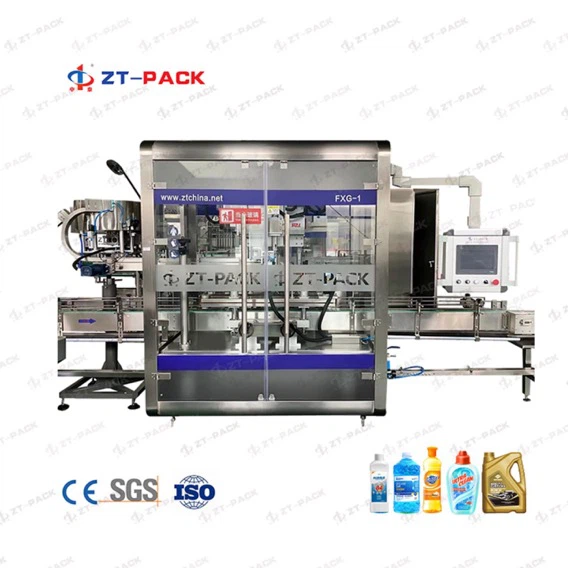

Chemical Industry
In the chemical industry, capping machines are used to seal containers such as drums, barrels, and bottles. The capping process ensures that the chemicals are protected from spills and leaks, preventing environmental contamination and ensuring the safety of the workers. Capping machines also play a role in ensuring the accuracy and precision of the dosing, as they prevent overfilling and underfilling of the containers.
Conclusion
In conclusion, capping machines are essential equipment in the packaging industry, designed to securely seal containers with caps or lids. The capping process involves several key steps, including cap feeding, cap placement, and cap tightening. There are several types of capping machines available on the market, each designed to meet the specific needs of different industries and applications. Capping machines play a crucial role in various industries, ensuring the safety, quality, and integrity of the products.
If you are in the market for a capping machine, we invite you to contact us for more information. As a leading capping machine supplier, we offer a wide range of capping machines to meet your specific needs and requirements. Our team of experts will work with you to understand your application and recommend the best capping machine for your business. Contact us today to start the conversation and explore how our capping machines can enhance your packaging process.
References
- Packaging Machinery Manufacturers Institute (PMMI). (n.d.). Capping Machines. Retrieved from [PMMI Website]
- Association for Packaging and Processing Technologies (APPT). (n.d.). Capping Equipment. Retrieved from [APPT Website]
- Packaging Digest. (n.d.). The Basics of Capping Machines. Retrieved from [Packaging Digest Website]


