


Hey there! As a supplier of capping machines, I often get asked about the maintenance cost of these nifty pieces of equipment. So, I thought I'd sit down and write this blog to break it all down for you.
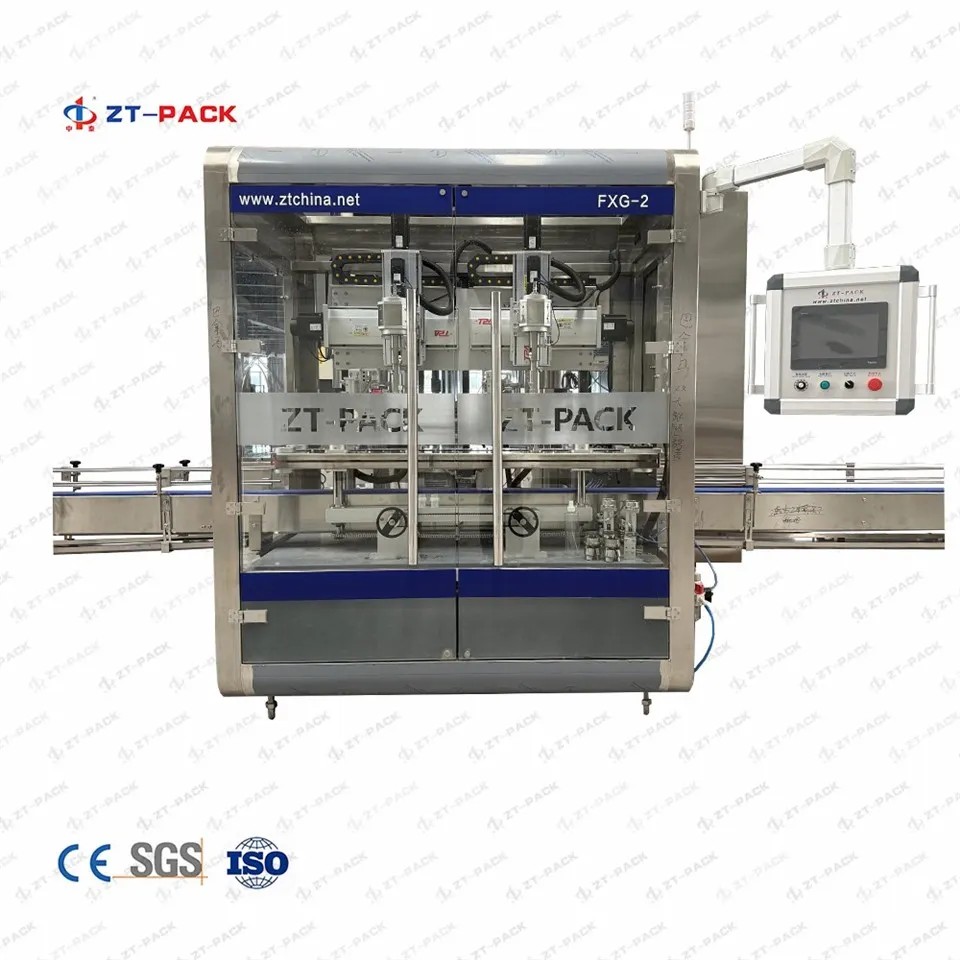
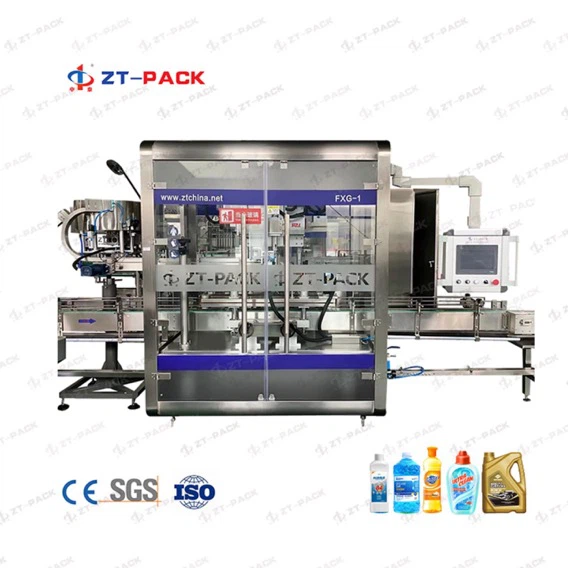
First off, let's understand what a capping machine does. It's a crucial part of the packaging process, sealing containers like bottles, cans, and jars to keep the product inside fresh and secure. There are different types of capping machines out there, such as the Automatic Can Seamer Machine, the Linear Tracking Type Capping Closure Machine, and the Automatic Following and Tracking Capping Machine. Each type has its own features and functions, and their maintenance costs can vary.
Factors Affecting Maintenance Cost
Machine Complexity
The more complex the capping machine, the higher the maintenance cost is likely to be. For example, an automatic following and tracking capping machine is a high - tech piece of equipment. It has advanced sensors and tracking systems that ensure precise capping. These complex components require specialized knowledge to maintain. If a sensor malfunctions, you might need to call in a technician who is well - versed in the machine's software and hardware. This can lead to higher labor costs for maintenance.
On the other hand, a basic can seamer machine might have a simpler design. It mainly consists of mechanical parts for seaming the can lids. While it still needs regular maintenance, the repairs are often less complicated and can sometimes be done in - house by your own staff, which can save on labor costs.
Usage Frequency
How often you use the capping machine also plays a big role in maintenance costs. If your production line runs 24/7, the machine is under constant stress. The moving parts wear out faster, and you'll need to replace components more frequently. For instance, the belts and gears in the capping machine will experience more friction and tear when used continuously. This means you'll have to buy replacement parts more often, increasing the overall cost.
In contrast, if the machine is used only occasionally, say a few hours a week, the wear and tear will be much less. You can stretch out the time between maintenance intervals and reduce the cost of replacement parts.
Quality of Components
The quality of the components used in the capping machine affects maintenance costs in the long run. High - quality components are more expensive upfront but tend to last longer. They are made from better materials and are more resistant to wear and corrosion. For example, a capping head made from high - grade stainless steel will be more durable than one made from a cheaper alloy. You'll have to replace it less often, which can save you money over time.
However, if you opt for a capping machine with low - quality components to save on the initial purchase price, you'll likely face more breakdowns and need to replace parts more frequently. This can end up costing you more in the long term.
Breakdown of Maintenance Costs
Labor Costs
Labor costs are a significant part of the maintenance budget. If you have an in - house maintenance team, you need to consider their salaries and training costs. They need to be trained regularly to keep up with the latest technology in capping machines. If you don't have an in - house team, you'll have to hire external technicians. Their fees can vary depending on their experience and the complexity of the repair.
For example, a simple adjustment or cleaning of a capping machine might take an hour or two of a technician's time. But if there's a major breakdown, like a problem with the control system, it could take several hours or even days to fix. And the longer the repair takes, the higher the labor cost.
Replacement Parts
Replacement parts are another major expense. Common parts that need to be replaced include belts, gears, seals, and capping heads. The cost of these parts can vary widely depending on the brand and quality. For example, a high - quality capping head can cost several hundred dollars, while a simple belt might only cost a few dollars.
It's a good idea to keep a stock of essential replacement parts on hand. This way, you can minimize downtime when a part fails. But stocking parts also means tying up capital, so you need to find a balance.
Lubrication and Cleaning Supplies
Proper lubrication and cleaning are essential for the smooth operation of a capping machine. Lubricants reduce friction between moving parts, preventing wear and tear. Cleaning supplies are used to remove dirt, debris, and product residue from the machine. These supplies need to be purchased regularly, and the cost can add up over time.
For example, a high - performance lubricant might cost a few dollars per liter, but if you need to use it frequently, the cost will increase. And if your product is sticky or corrosive, you'll need to use more powerful cleaning agents, which can also be expensive.
Ways to Reduce Maintenance Costs
Regular Maintenance Schedule
Implementing a regular maintenance schedule is one of the best ways to reduce costs. By performing routine checks and maintenance tasks, you can catch small problems before they turn into major breakdowns. For example, checking the alignment of the capping heads regularly can prevent misaligned caps, which could damage the machine or lead to product quality issues.
A well - planned maintenance schedule can also extend the lifespan of the machine, reducing the need for expensive replacements. You can create a checklist for daily, weekly, monthly, and annual maintenance tasks to ensure nothing is overlooked.
Training for Staff
Training your staff to perform basic maintenance tasks can save a lot of money. If your employees know how to clean the machine, check for loose parts, and perform simple adjustments, you can reduce the need for external technicians. You can provide in - house training or send your staff to manufacturer - led training courses. This not only saves on labor costs but also allows your team to be more self - sufficient in maintaining the capping machine.
Buying Quality Machines
As mentioned earlier, buying a high - quality capping machine can save you money in the long run. Although the initial investment is higher, the lower maintenance costs and longer lifespan of the machine make it a cost - effective choice. Look for a machine from a reputable manufacturer that offers good after - sales support and a warranty.
Conclusion
So, what is the maintenance cost of a capping machine? Well, it depends on a variety of factors such as machine complexity, usage frequency, and component quality. By understanding these factors and taking steps to reduce costs, you can manage your maintenance budget effectively.
If you're in the market for a capping machine or want to learn more about reducing maintenance costs, don't hesitate to get in touch. We're here to help you make the best decision for your business. Whether you need a simple can seamer or a high - end automatic following and tracking capping machine, we've got you covered. Let's start a conversation about your capping needs and how we can work together to keep your production line running smoothly.
References
- Industry reports on packaging machinery maintenance.
- Manufacturer's manuals for capping machines.
- Case studies on capping machine maintenance in different industries.


